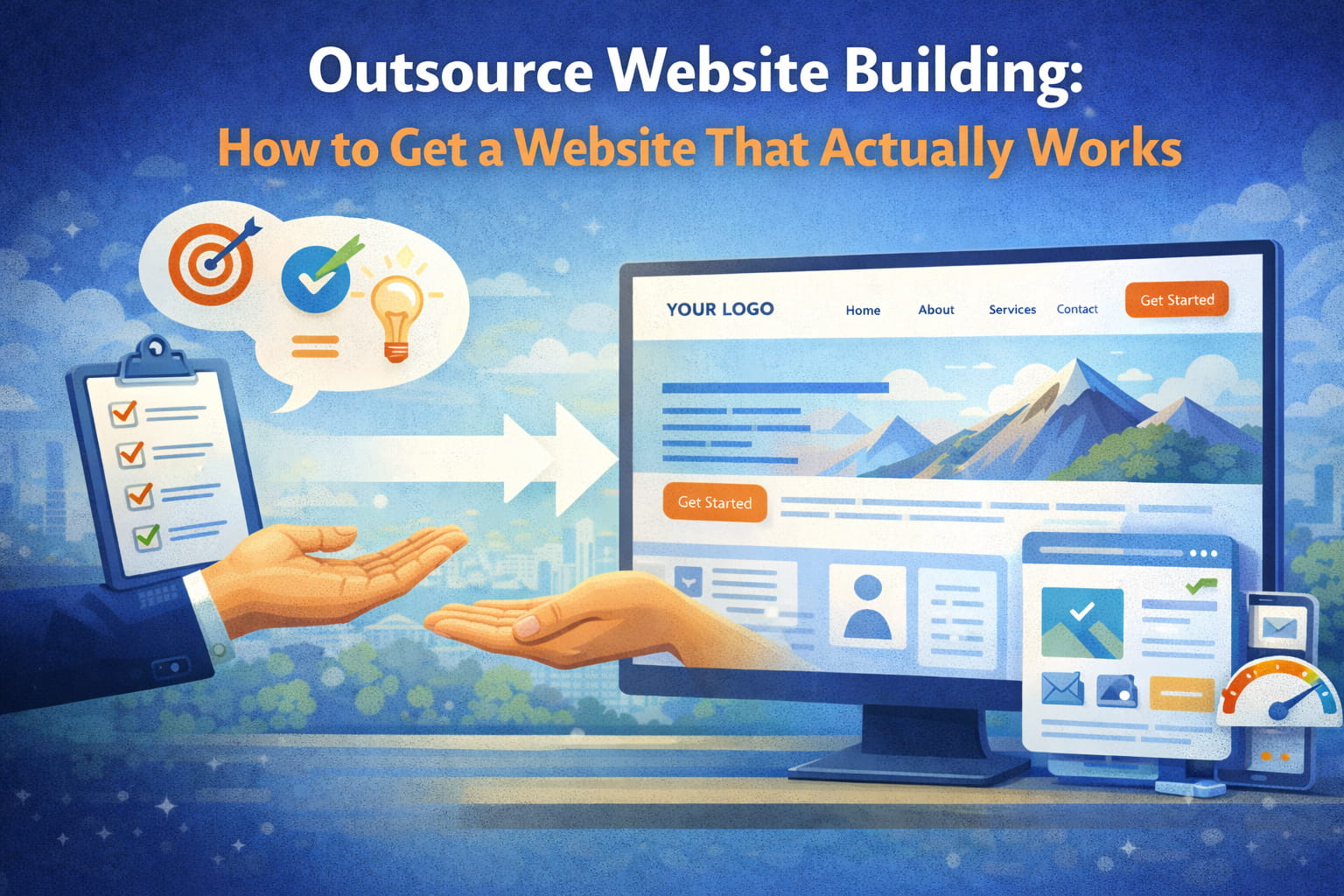
Every business knows that a website is more than just a digital business card – it can create leads, build trust, and form a client’s first view of your company. But building a website that actually works? That’s harder than it looks. You could spend weeks wrestling with templates, plugins, and code, or you could take a smarter path and outsource website building to experts who know exactly what works. For startups and small businesses, this choice offers not just ease, but also a smart way to get quick, real results.
In our previous article, we discussed the most common myths surrounding white label web development and how such solutions can help agencies of all sizes. Today we will discuss what to think about when you want to outsource website building, how to choose the best partner, and how to avoid common mistakes.
Why Outsource?
Many founders and small business owners think they can “just do it themselves” with a template or a page builder. And yes, tools like Squarespace, Wix, and Webflow have made DIY websites easier, but building it yourself doesn’t ensure it turns visitors into paying customers.
Here’s why outsourcing website building makes sense:
- Professional Design and UX – Experts understand what works for your audience, from clear calls to action to intuitive navigation.
- Time Savings – You focus on growing your business instead of dealing with tech issues.
- Scalability – A good team builds a website that can grow with your business, adding pages or e-commerce as needed.
- Better ROI – Investing in a well-built website usually pays off faster than trying to do it yourself and redoing it later.
Digital Octane aims to help startups and growing businesses by outsourcing website building, providing platforms that look good and get results.
How to Choose the Right Model
There’s no one-size-fits-all method when outsourcing. Here are the main approaches:
1. Full-Service Agency
A full-service web agency handles everything from planning to launch, including design, content, and coding. Choose this if you:
- Can afford a complete, high-quality website.
- Want a team with experience in marketing, UX, and development.
- Prefer the process managed end-to-end with minimal stress on your part.
Pros:
- Fast and professional results
- Access to design, writing, and coding experts
- Long-term scalability
Cons:
- Higher initial cost
- Less control over small details
2. Freelancers
Some startups hire freelancers, such as a designer, coder, and writer. This works if your site is simple or you have someone to manage the work.
Pros:
- Cheaper for small projects
- Flexible team structure
Cons:
- Requires strong project management
- It can be hard to keep work consistent
- Risk of deadline issues if freelancers aren’t reliable
3. Hybrid Help-As-You-Go Approach
A hybrid model combines DIY and professional help. For example, you might write your own content but hire a developer to handle the technical build.
Pros:
- Lower cost than a full-service agency
- You keep creative control
Cons:
- You’re still responsible for some tasks
- Quality depends on your know-how and the expert’s communication skills
Key Factors to Outsource Website Building
Agencies and freelancers differ in quality. Look for these:
1. Proven Track Record
Check case studies and reviews. Have they worked with startups before? Can they show results, like increased leads or sales?
2. Technical Skills
Modern websites need more than just good looks. Look for these skills:
- Mobile-friendly design
- SEO basics to help you get found on Google
- Fast, reliable hosting and site speed optimization
3. Understanding Your Business
A good partner asks about your audience, brand image, and aims. They should build a site that shows your startup’s identity, not just offer templates.
4. Open Talk
Updates, timelines, and honest feedback matter. If a company is hard to reach before signing, it won’t get better after.
5. Maintenance and Support
Websites are not static. Your team should provide ongoing support or at least guidance for future updates.
Red Flags to Watch Out For
Some agencies or freelancers seem good at first but can cost you time and money. Watch for these:
- No portfolio or generic templates – See real examples of their work.
- Very low prices – Cheap often means low quality.
- No planning discussion – If they focus only on design, the site might look good but not convert.
- No ownership promise – Ensure you own the site’s code, content, and images.
Practical Tips to Outsource Website Building
- Know Your Aims – Define what you want your website to do: create leads, sell items, or build brand awareness.
- Plan a Budget – Websites can cost from a few thousand to tens of thousands. Match your budget to what you want to achieve.
- Focus on Main Items – Begin with key pages and tasks. Add other features later.
- Ask for a Timeline – Know when your site will go live and what you’ll get.
- Test Before Launch – Check your site on multiple devices and browsers to ensure it works for users.
Conclusion
Outsourcing website building helps startups grow without wasting resources. The right partner saves time, money, and stress while building a website that gets results.
If you’re considering outsourcing, remember these key points:
- Look for experience, technical skills, and understanding of your business
- Avoid agencies that only focus on visuals without strategy
- Ensure clear communication and ownership of your site
Digital Octane helps startups navigate this process with expertise in web development, UX, and growth-driven design. By partnering with a company that understands the unique needs of new and growing businesses, you can focus on scaling your startup while your website works hard in the background.
Outsource website building wisely, and your website can become a top business tool.