The world of startups has changed – and fast. In the past, launching a mobile app meant finding investors, assembling a team, and spending months or years on development. Today, AI tools, app templates, and affordable services have altered the process.
Now, mobile app development is more accessible, but with so many options, it’s easy to take the wrong path.
In our last article, we discussed In-House vs. Outsourced App Development for startups. In this article, we’ll explore the new world of startup mobile app development – from AI tools to full-scale custom builds, and how to select the best approach for your goals and budget.
The Real Cost of Building a Mobile App in 2026
The good news is that building an app no longer needs a large investment. AI-assisted coding, templates, and platforms such as Upwork or Fiverr allow founders to make good products on reasonable budgets.
Before starting, it’s helpful to know what every app project will cost, no matter how you build it.
You’ll need:
- Developer accounts for Apple ($99/year) and Google ($25 one-time)
- A domain, hosting, and a simple website for your app’s policies and support
- Basic tools like analytics (Firebase, Mixpanel), bug tracking (Sentry, Instabug), and payment analytics (RevenueCat)
Together, these “unavoidable” costs add up to roughly $150 a year – a small sum compared to the previous cost of app launches.
With these basics covered, the next step is building the app. Let’s examine the four common methods for startup mobile app development today.
Option 1: AI and No-Code Tools – Build Fast, Learn Faster
AI has completely transformed startup mobile app development.
No-code and AI-assisted tools like Lovable, Replit, and Bolt let you describe your app idea in plain English – and the platform builds a basic version for you. You don’t need to know how to code, just need an idea and a few hours.
That means you can now build a prototype or MVP in a weekend – test it, show it to users, and see if people actually care before spending money.
Pros:
- No technical skills needed
- Good for early validation and testing ideas
- Low cost
Cons:
- Limited customization
- Not scalable for long-term use
- You’ll likely need a developer later to refine or expand your app
If you are still validating your concept, this is a good starting point. You’ll quickly get something real into users’ hands – and that’s where real learning begins.
Option 2: Templates and Reskinning – The Overlooked Resource
One of the most overlooked paths in startup mobile app development is buying app templates. Marketplaces like CodeCanyon or ThemeForest offer fully working app templates – fitness trackers, chat apps, booking tools, etc. – for less than $100.
Founders can buy a template, adjust the design, change the logo, and launch within days instead of months. Later, if the idea takes off, you can invest in customizing or rebuilding it from scratch.
Pros:
- Very affordable
- Quick to launch
- Good for testing monetization or early marketing
Cons:
- Code quality varies
- Harder to scale or modify heavily
- You may need a developer to make significant changes
If you’re testing your market or want to see if people will use your app idea, templates save time and money.
At Digital Octane, we often assist startups using templates by improving the UX, cleaning up the code, and preparing the product for users. This is a good middle ground between DIY tools and full custom development.
Option 3: Hiring Developers – When You’re Ready to Go Pro
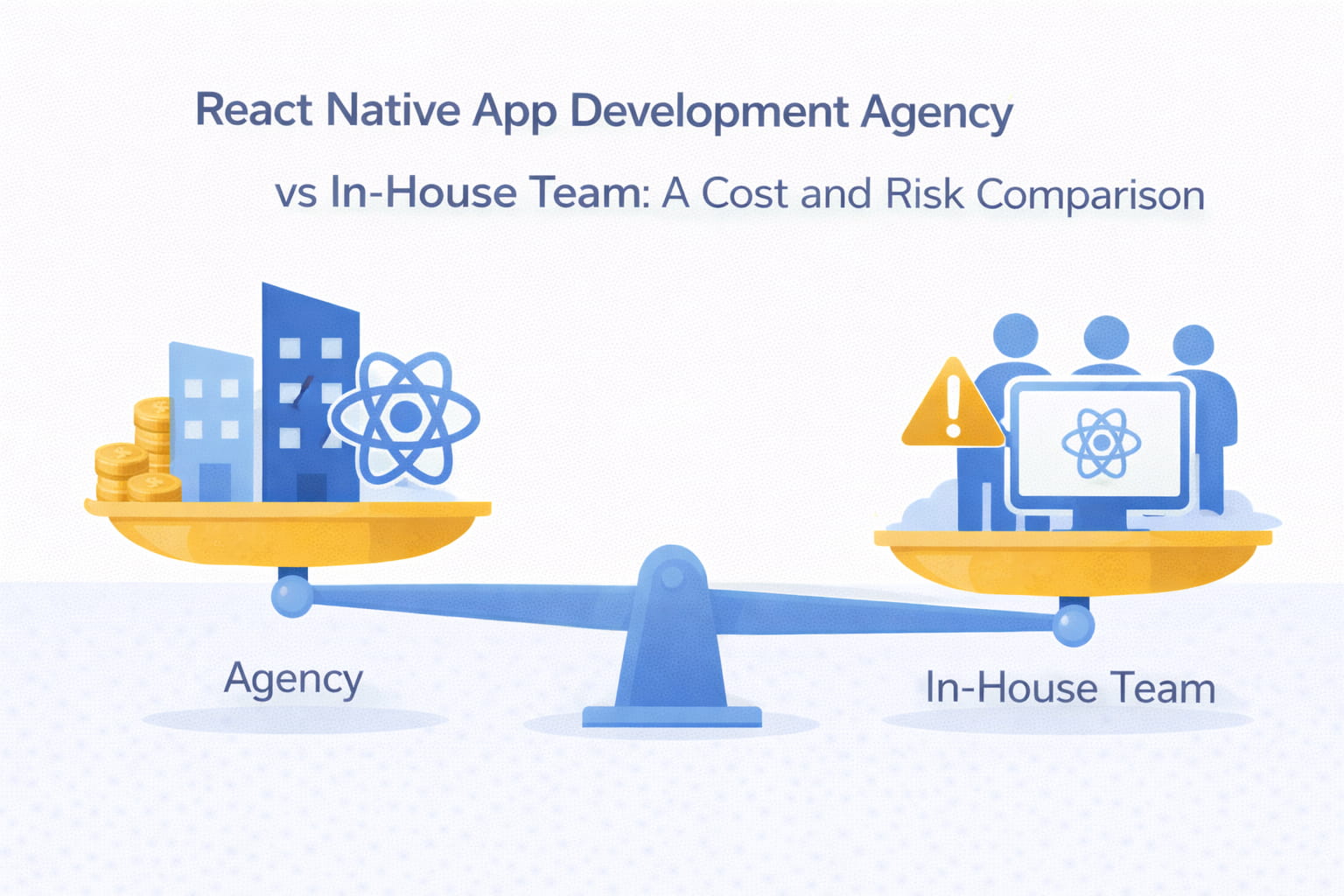
When your idea is validated and ready to scale, it’s time to hire experts. This is where startup mobile app development becomes more serious. Whether hiring freelancers or partnering with an agency, the goal is to build a clean, reliable MVP that can become a finished product.
Platforms like Upwork make it easy to find developers. Rates range from $15/hour to $100/hour, depending on experience and location. Eastern Europe and Latin America are known for good developers at reasonable prices.
To maximize your budget:
- Always start with an MVP. Focus on one core feature that proves your concept. Why? Because rushing into a full app without validation often leads to wasted time and money. We explain this in more detail in our previous article, How MVP Development Services Help Startups Grow Wisely.
- Ask for a feature-based cost breakdown – not hourly billing.
- Communicate and stay involved in the process.
At this stage, many startups choose to work with dedicated teams like Digital Octane. We help founders turn their vision into a practical product roadmap, design the first version, and guide the development to ensure clarity. Our approach is simple: fast MVPs, clear communication, and scalable tech.
Option 4: Buying an Existing App
This is the fastest but priciest option. You can skip development entirely and buy a working app. Platforms like Flippa or Acquire.com list thousands of mobile apps – from tiny side projects to established businesses earning real revenue.
You might buy a new fitness app for $5,000 or an AI tool for $100,000 or more. The advantage is speed; the product is built, tested, and often monetized.
However, buying an app requires due diligence – checking revenue claims, user data, and technical stack. If you don’t have the technical background, working with a development partner like Digital Octane can help you assess the codebase and plan the next steps for scaling it.
How to Choose the Right Path
- There’s no single answer; the best approach depends on your goals, budget, and skills.
- To test an idea quickly, use AI or templates.
- If you’re ready to build a business, hire developers or a team.
- To scale fast, think about buying an app.
The good thing about today’s startup world is that there’s no wrong way to begin, only smarter ways to adapt.
The smartest founders mix approaches: start small with AI tools, validate the idea, and then bring in a team to refine it. This is how modern startup mobile app development works: iterative, flexible, and guided by user input, not guessing.
Conclusion
It has never been easier to start building an app, but the competition is tough either. Anyone can build an app today, but not everyone builds one that matters. The real difference comes from clear strategy, fast iteration, and smart technical choices.
Whether you’re using AI builders, buying templates, or working with a team like Digital Octane, remember that the goal isn’t just to launch an app. It’s to build a product that solves a problem, earns users’ trust, and grows with your startup.